Climate Control Solutions for Optimal Plant Growth

Growing healthy plants requires more than just good soil and water. The environment in which plants thrive plays a crucial role in their growth and development. Climate control solutions can significantly enhance plant health, yield, and overall productivity. In this blog post, we will explore various climate control solutions that can help you achieve optimal plant growth, whether you are a home gardener or a commercial grower.
Understanding the Importance of Climate Control
Plants are sensitive to their environment. Factors such as temperature, humidity, light, and air circulation can greatly influence their growth. Here’s why climate control is essential:
Temperature Regulation: Different plants have specific temperature ranges for optimal growth. Too hot or too cold can stress plants, leading to stunted growth or even death.
Humidity Control: Humidity affects transpiration, nutrient uptake, and disease susceptibility. Maintaining the right humidity levels can prevent mold and pests.
Light Management: Plants require light for photosynthesis. Controlling light intensity and duration can enhance growth rates and flowering.
Air Circulation: Proper air movement helps prevent the buildup of humidity and promotes healthy growth by ensuring that plants receive adequate CO2.
Types of Climate Control Solutions
1. Greenhouses
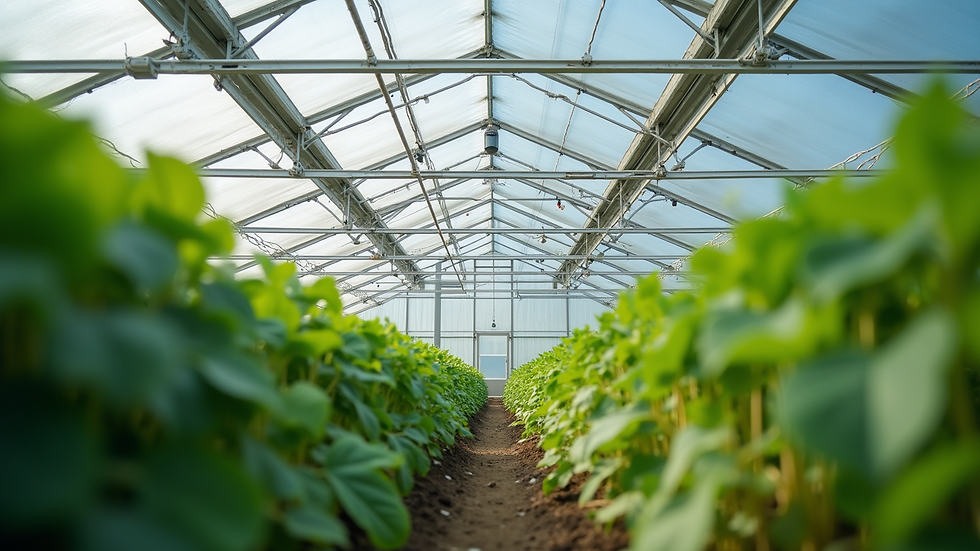
Greenhouses are structures designed to create a controlled environment for plants. They can be equipped with various climate control systems to regulate temperature, humidity, and light. Here are some key features:
Ventilation Systems: Automated vents can open and close based on temperature, allowing for better air circulation and temperature control.
Heating Systems: In colder climates, heating systems can maintain optimal temperatures during winter months.
Cooling Systems: Shade cloths, evaporative coolers, and fans can help lower temperatures during hot weather.
2. Indoor Grow Rooms
Indoor grow rooms are ideal for those who want to grow plants year-round, regardless of outdoor conditions. These spaces can be fully customized with climate control technologies:
LED Grow Lights: These lights provide the necessary spectrum for plant growth while consuming less energy than traditional lighting.
Dehumidifiers: These devices help maintain optimal humidity levels, preventing mold and mildew.
Air Conditioning Units: These units can cool the grow room and maintain a stable temperature.
3. Hydroponic Systems
Hydroponics is a method of growing plants without soil, using nutrient-rich water instead. Climate control is crucial in hydroponic systems to ensure optimal growth:
Nutrient Film Technique (NFT): This system requires precise control of water and nutrient levels, which can be managed with automated systems.
Aeroponics: In this method, plant roots are misted with nutrient solution, requiring careful humidity and temperature management.
4. Automated Climate Control Systems
Modern technology has made it easier to manage plant environments. Automated climate control systems can monitor and adjust conditions in real-time:
Sensors: Temperature, humidity, and light sensors can provide data to the system, allowing for automatic adjustments.
Smart Controllers: These devices can be programmed to respond to specific conditions, ensuring that plants receive the optimal environment.
Best Practices for Implementing Climate Control Solutions
1. Assess Your Needs
Before investing in climate control solutions, assess your specific needs. Consider the types of plants you want to grow, your local climate, and your budget. This will help you choose the most effective solutions.
2. Monitor Conditions Regularly
Regular monitoring of environmental conditions is essential. Use sensors and data loggers to track temperature, humidity, and light levels. This information can help you make informed decisions about adjustments needed.
3. Invest in Quality Equipment
Quality climate control equipment can make a significant difference in plant health. Look for reliable brands and products that have good reviews. Investing in quality equipment may save you money in the long run by reducing energy costs and improving plant yields.
4. Stay Informed
Stay updated on the latest advancements in climate control technology. New solutions and techniques are constantly being developed, and staying informed can help you optimize your growing conditions.
Case Studies: Successful Implementation of Climate Control Solutions
Case Study 1: Urban Hydroponics Farm
An urban hydroponics farm in New York City implemented a fully automated climate control system. By using sensors and smart controllers, they were able to maintain optimal conditions for their leafy greens. As a result, they reported a 30% increase in yield compared to their previous manual methods.
Case Study 2: Commercial Greenhouse
A commercial greenhouse in California invested in a state-of-the-art ventilation and cooling system. By automating their ventilation, they reduced energy costs by 25% while maintaining consistent temperatures. This led to healthier plants and increased production rates.
Conclusion
Climate control solutions are essential for achieving optimal plant growth. By understanding the importance of temperature, humidity, light, and air circulation, you can create an environment that supports healthy plants. Whether you choose a greenhouse, indoor grow room, or hydroponic system, investing in quality climate control solutions will pay off in the long run.
Take the next step in your gardening journey by exploring the various climate control options available to you. With the right tools and knowledge, you can cultivate thriving plants year-round.
Comments