Essential Greenhouse Structures for Successful Farming

Greenhouses have become a cornerstone of modern agriculture, allowing farmers to extend their growing seasons, protect crops from harsh weather, and optimize conditions for plant growth. Whether you are a seasoned farmer or just starting, understanding the essential greenhouse structures can significantly impact your farming success. In this post, we will explore various greenhouse types, their components, and how they contribute to effective farming.
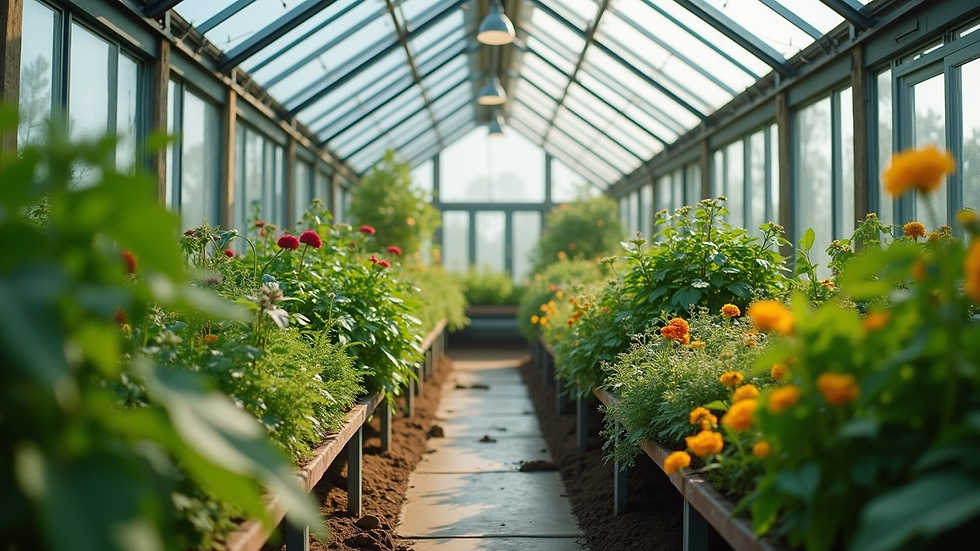
Understanding Greenhouse Types
1. Traditional Glass Greenhouses
Traditional glass greenhouses are often seen as the gold standard in greenhouse structures. They provide excellent light transmission and are aesthetically pleasing. These structures are typically built with a frame made of aluminum or wood and covered with glass panels.
Advantages:
High light transmission
Durable and long-lasting
Aesthetically pleasing
Disadvantages:
Higher initial cost
Requires regular maintenance
2. Polycarbonate Greenhouses
Polycarbonate greenhouses are increasingly popular due to their durability and insulation properties. They are made from twin-wall polycarbonate panels that provide excellent thermal insulation while allowing sufficient light to penetrate.
Advantages:
Good insulation properties
Lightweight and easy to install
UV resistant
Disadvantages:
Less light transmission compared to glass
Can become discolored over time
3. Plastic Film Greenhouses
Plastic film greenhouses are the most affordable option and are widely used by small-scale farmers. They are typically made from a metal or wooden frame covered with polyethylene film.
Advantages:
Low initial investment
Lightweight and easy to set up
Good for seasonal use
Disadvantages:
Shorter lifespan
Less durable in extreme weather
Key Components of Greenhouse Structures
1. Foundation
A solid foundation is crucial for any greenhouse structure. It provides stability and helps prevent water accumulation. Common foundation types include:
Concrete Slabs: Durable and long-lasting, ideal for permanent structures.
Wooden Frames: Suitable for smaller, temporary greenhouses.
Gravel Beds: Good for drainage and easy to install.
2. Ventilation Systems
Proper ventilation is essential for maintaining optimal temperature and humidity levels inside the greenhouse. There are several types of ventilation systems:
Natural Ventilation: Utilizes windows and vents to allow air circulation. This is often the most cost-effective method.
Mechanical Ventilation: Involves fans and blowers to control air movement, especially in larger greenhouses.
3. Heating Systems
In colder climates, heating systems are vital for maintaining plant health. Common heating options include:
Electric Heaters: Easy to install and control but can be costly to operate.
Gas Heaters: More economical for larger spaces but require proper ventilation.
Hydronic Heating: Uses hot water to warm the greenhouse, providing even heat distribution.
4. Irrigation Systems
Efficient irrigation is key to successful farming. Various systems can be employed:
Drip Irrigation: Delivers water directly to the plant roots, minimizing waste.
Sprinkler Systems: Covers larger areas but can lead to water loss through evaporation.
Hydroponic Systems: Allows plants to grow in nutrient-rich water, eliminating the need for soil.
Choosing the Right Location
The location of your greenhouse plays a significant role in its effectiveness. Here are some factors to consider:
Sunlight Exposure: Ensure the site receives ample sunlight throughout the day.
Wind Protection: Position the greenhouse in a sheltered area to protect it from strong winds.
Accessibility: Choose a location that is easy to access for maintenance and harvesting.
Maximizing Greenhouse Efficiency
1. Crop Selection
Choosing the right crops for your greenhouse can maximize productivity. Consider the following:
Seasonal Crops: Grow crops that thrive in specific seasons to make the most of your greenhouse.
Companion Planting: Pair crops that benefit each other, such as tomatoes and basil.
2. Pest Management
Integrated pest management (IPM) is crucial for maintaining a healthy greenhouse environment. Strategies include:
Biological Control: Introduce beneficial insects that prey on pests.
Cultural Practices: Rotate crops and maintain cleanliness to prevent pest infestations.
3. Monitoring and Control Systems
Investing in monitoring systems can help you keep track of temperature, humidity, and light levels. Automated systems can adjust conditions based on real-time data, ensuring optimal growth.
Conclusion
Building a successful greenhouse requires careful planning and consideration of various structures and components. By understanding the different types of greenhouses, their essential features, and how to maximize their efficiency, you can create an environment that supports healthy plant growth and enhances your farming success.
As you embark on your greenhouse journey, remember to stay informed about the latest advancements in greenhouse technology and practices. This knowledge will empower you to make informed decisions that lead to fruitful harvests and sustainable farming practices.
Comments