Top Irrigation Systems to Boost Crop Yields

Irrigation is a critical component of modern agriculture, playing a vital role in ensuring that crops receive the necessary water for optimal growth. With the increasing challenges of climate change, water scarcity, and the growing global population, farmers are turning to advanced irrigation systems to enhance crop yields. In this blog post, we will explore various irrigation systems that can significantly boost crop productivity, providing practical insights and examples to help you make informed decisions.
Understanding Irrigation Systems
Before diving into specific systems, it's essential to understand the different types of irrigation methods available. Each system has its advantages and disadvantages, and the choice often depends on factors such as crop type, soil conditions, and available water resources.
Surface Irrigation
Surface irrigation involves the application of water directly to the soil surface, allowing it to flow over the field. This method is one of the oldest and most common forms of irrigation. It can be further categorized into:
Flood Irrigation: Water is allowed to flow over the field, flooding it. This method is suitable for flat fields but can lead to water wastage and soil erosion.
Furrow Irrigation: Water is applied in furrows between crop rows. This method is more efficient than flood irrigation and reduces water wastage.
Drip Irrigation
Drip irrigation is a highly efficient method that delivers water directly to the plant roots through a network of tubes and emitters. This system minimizes evaporation and runoff, making it ideal for arid regions. Benefits of drip irrigation include:
Water Efficiency: Reduces water usage by up to 50% compared to traditional methods.
Improved Crop Yields: Provides consistent moisture, leading to healthier plants and higher yields.
Reduced Weed Growth: By delivering water directly to the plants, it minimizes moisture in the surrounding soil, reducing weed competition.
Sprinkler Irrigation
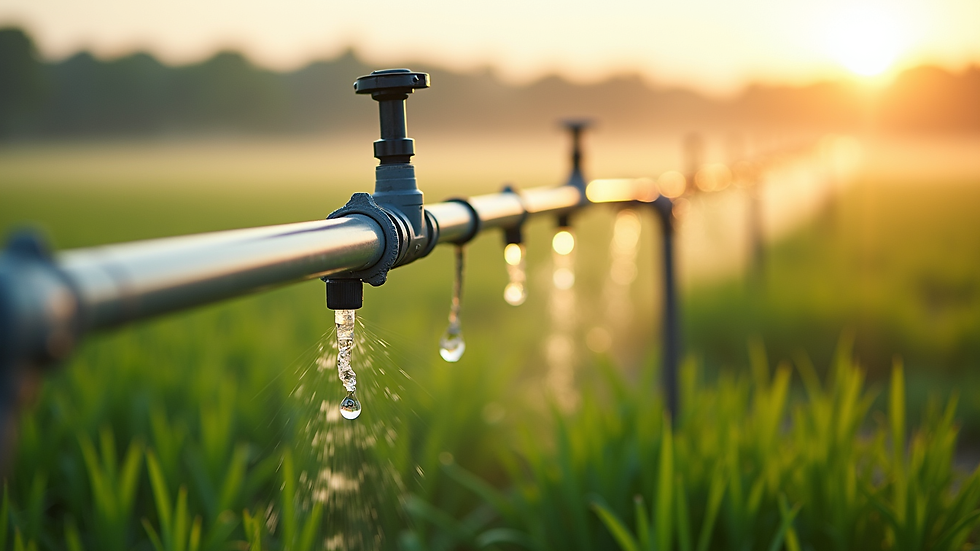
Sprinkler irrigation mimics natural rainfall by spraying water over crops through a system of pipes and pumps. This method is versatile and can be used for various crops and terrains. Key advantages include:
Flexibility: Suitable for different crop types and can be adjusted for varying field sizes.
Uniform Water Distribution: Ensures even coverage, reducing the risk of over or under-watering.
Subsurface Irrigation
Subsurface irrigation involves placing water delivery systems below the soil surface. This method is particularly effective for deep-rooted crops and can significantly reduce evaporation losses. Benefits include:
Water Conservation: Minimizes evaporation and runoff, making it suitable for water-scarce regions.
Reduced Soil Erosion: By keeping water below the surface, it helps maintain soil structure and reduces erosion.
Choosing the Right Irrigation System
Selecting the appropriate irrigation system for your farm requires careful consideration of several factors:
Crop Type
Different crops have varying water requirements. For instance, leafy vegetables may need more frequent watering, while root crops may benefit from deeper watering. Understanding the specific needs of your crops will help you choose the right system.
Soil Type
Soil texture and structure play a crucial role in water retention and drainage. Sandy soils drain quickly and may require more frequent irrigation, while clay soils retain water longer. Conducting a soil test can provide valuable insights into your soil's characteristics.
Climate Conditions
Climate factors such as temperature, humidity, and rainfall patterns can influence your irrigation choices. In arid regions, systems like drip irrigation may be more effective, while areas with abundant rainfall may benefit from surface irrigation.
Water Availability
Assessing your water sources is essential. If you have limited access to water, investing in efficient systems like drip or subsurface irrigation can help maximize your water usage.
Case Studies of Successful Irrigation Systems
Drip Irrigation in California
In California, where water scarcity is a significant concern, many farmers have adopted drip irrigation systems. For example, a tomato grower in the Central Valley reported a 30% increase in yield after switching from flood irrigation to drip irrigation. This transition not only improved water efficiency but also enhanced the quality of the tomatoes, leading to higher market prices.
Sprinkler Irrigation in the Midwest
Farmers in the Midwest have successfully implemented center pivot sprinkler systems to irrigate large fields of corn and soybeans. These systems allow for efficient water application, reducing labor costs and improving crop yields. A study found that farms using center pivot systems experienced a 20% increase in corn yields compared to those relying on traditional methods.
Subsurface Irrigation in Australia
In Australia, a vineyard owner implemented subsurface irrigation to combat the challenges of drought. By placing irrigation lines below the soil surface, the vineyard reduced water usage by 40% while maintaining grape quality. This approach not only conserved water but also improved soil health, leading to better grape production.
Maintenance and Management of Irrigation Systems
To ensure the longevity and efficiency of your irrigation system, regular maintenance and management are crucial. Here are some best practices:
Regular Inspections
Conduct routine inspections of your irrigation system to identify leaks, clogs, or other issues. Early detection can prevent costly repairs and ensure optimal performance.
Seasonal Adjustments
Adjust your irrigation schedule based on seasonal changes and crop growth stages. For example, during hot summer months, you may need to increase watering frequency, while cooler months may require less.
Soil Moisture Monitoring
Invest in soil moisture sensors to monitor moisture levels in real-time. This technology allows you to make data-driven decisions about when and how much to irrigate, optimizing water usage.
Training and Education
Stay informed about the latest advancements in irrigation technology and practices. Attend workshops, webinars, or agricultural fairs to learn from experts and fellow farmers.
The Future of Irrigation
As technology continues to evolve, the future of irrigation looks promising. Innovations such as smart irrigation systems, which use sensors and data analytics to optimize water usage, are gaining traction. These systems can automatically adjust watering schedules based on weather forecasts and soil moisture levels, further enhancing efficiency.
Additionally, the integration of renewable energy sources, such as solar-powered pumps, is becoming more common. This shift not only reduces operational costs but also minimizes the environmental impact of irrigation practices.
Conclusion
Investing in the right irrigation system is essential for boosting crop yields and ensuring sustainable farming practices. By understanding the various irrigation methods available and considering factors such as crop type, soil conditions, and water availability, farmers can make informed decisions that lead to increased productivity and profitability. As technology continues to advance, staying updated on the latest irrigation innovations will be crucial for maximizing efficiency and sustainability in agriculture.
By adopting efficient irrigation practices, you can not only enhance your crop yields but also contribute to the responsible use of water resources, ensuring a sustainable future for agriculture. Take the next step in your farming journey by exploring the irrigation options that best suit your needs and start reaping the benefits today.
Comments